
What is Organic Tea? Standards, Certification Process, and the True Value of Organic Tea
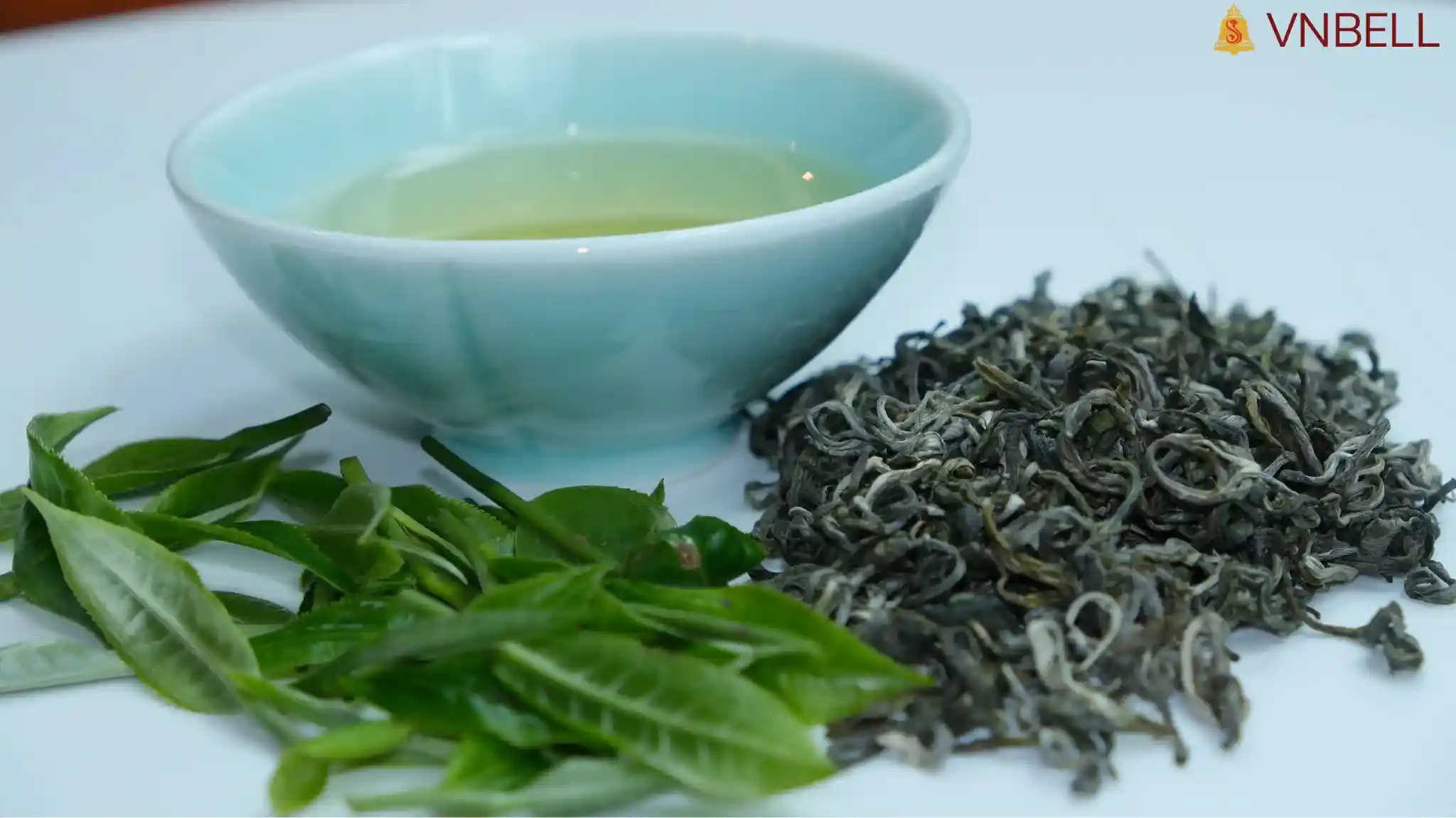
In recent years, the term “organic tea” has appeared more and more frequently in conversations about tea, health, and sustainable lifestyles. However, what exactly is organic tea? Is it simply “no chemicals used”? Or is it a cultivation and control system that adheres strictly to national and international standards?
This article provides an in-depth analysis based on legal texts and official documents from:
- Ministry of Agriculture & Rural Development of Vietnam
- TCVN 11041:2017 – Organic Agriculture
- European Union Regulation (EU) 2018/848
- USDA Organic – United States National Organic Program
- IFOAM – Organics International
If you are looking to choose from TCVN Organic Tea, EU Organic Tea, or USDA Organic Tea, this article will help you understand the foundation behind each certification.
1. What is organic tea? Definition according to legal standards.
1.1 According to TCVN 11041:2017 – Vietnamese Organic Standard

Vietnamese standards 11041:2017 defines organic production as:
“The holistic management system aims to promote and enhance the health of agricultural ecosystems, including biodiversity, biological cycles, and soil biological activity.”
For tea plants, this means:
- No synthetic chemical fertilizers are used
- No synthetic pesticides are used
- No genetically modified organisms (GMOs) are used
- There is a land conversion period (usually 12–36 months)
- A record-keeping and traceability system must be in place
Therefore, when answering the question “What is organic tea?”, according to Vietnamese standards, it is a product cultivated in a strictly controlled natural ecosystem and assessed by an independent certification organization.
1.2 According to Regulation (EU) 2018/848

European Union Regulation (EU) 2018/848 requires:
- Complete ban on synthetic pesticides
- Ban on GMOs
- Require certification by an EU-recognized organization
- Strict control over processing and storage
Only products that meet the standards are allowed to use the “EU Organic” logo.
1.3 According to USDA Organic – United States

According to 7 CFR Part 205 (National Organic Program):
- The land must not have been treated with prohibited substances for at least 3 years prior to harvest
- It must be completely separate from non-organic produce
- Annual inspection by a USDA-accredited organization
USDA certification is especially important when exporting to the US market.
2. The core principle of organic tea production.
IFOAM (Organics International) identifies four fundamental principles:
- Health
- Ecology
- Fairness
- Caution
With tea plants – from Shan Tuyet Tea grown in ancient highlands to Thai Nguyen Tea grown on midland hills – the organic principle is reflected in nurturing the soil, preserving natural enemies (Natural enemies are organisms that are natural predators of another species – they hunt, parasitize, or kill that species in nature), and reducing dependence on chemicals.
3. The organic tea production process from soil to cup.
3.1 Land conversion phase
This is the most crucial stage. The soil must undergo “biological cleansing” for 2–3 years before it can be certified organic.
Many farms that Viet Hoa Tam Tra works with have gone through this long journey, as shared in the article: The journey to find good tea.
3.2 Natural nutrition
- Decomposed organic fertilizer
- Composting
- Green manure
- Microbial preparations
Soil restoration helps many premium tea lines such as Nail Tea or Shrimp Bud Tea develop deep and lasting natural flavors.
3.3 Biological pest control
Do not use synthetic pesticides. Instead:
- Preserve natural enemies
- Use herbal extracts
- Crop rotation, intercropping
This farming model is clearly seen in the story at Thu Luan Tea Farm.
3.4 Processing & Traceability
The processing procedures must be separate from non-organic products. Production batch records are fully maintained to ensure traceability.
Consumers can refer to the Journey & Guarantee section to understand how Viet Hoa Tam Tra verifies its farms.
4. What is the difference between organic tea and VietGAP tea?
While VietGAP focuses on controlled food safety, organic farming represents a higher level of ecological and environmental sustainability.
You can read more in-depth articles about VietGAP Clean Tea Production Process to understand the difference.
5. The true value of organic tea

5.1 For tea connoisseurs
- Reduces the risk of chemical residue
- Clear traceability
- Complies with a natural lifestyle
5.2 For the ecosystem
- Reduce soil and water pollution
- Increase biodiversity
- Protect workers
6. Is organic tea always better?
Organic doesn’t automatically mean “better taste.” Flavor also depends on:
- Tea varieties (Shan Tuyet, Trung Du, Canh Lai…)
- Tea regions (Ha Giang, Tan Cuong…)
- Traditional tea roasting techniques
You can refer to the following articles for more information:
- What is Shan Tuyet Tea?
- What is Thai Nguyen Tea?
- Distinguishing between different types of Vietnamese tea
Conclusion: What is organic tea in the journey of Vietnamese tea?
What is organic tea? It is a farming system based on ecological principles, strictly controlled according to national or international standards and independently certified.
In the journey of transparency that KinhDươngVương.vn pursues, organic tea is not just a commercial label – but a long-term commitment to the land, to the tea producers, and to the tea connoisseurs.
Frequently Asked Questions About Organic Tea
How long is organic certification valid?
Typically, it is a one-year warranty and is subject to periodic inspections and reassessments annually according to the standards of the certification body.
Is organic tea completely free of chemicals?
Organic tea does not use synthetic fertilizers and pesticides. However, during cultivation, biological preparations included in the list permitted under organic standards may be used to maintain a balanced ecosystem and protect the plants.
What are the differences between organic tea and regular tea?
The difference lies in the farming methods and production philosophy. Organic tea is grown according to strict standards, respecting nature and not maximizing yield with synthetic chemicals. As a result, the flavor is usually clean, clear, and has a deep aftertaste, clearly reflecting the soil conditions of the growing region.
Why are organic teas usually more expensive?
Organic farming costs are higher due to stricter care procedures, less optimized yields, and the need to maintain certification periodically. Furthermore, growers invest in sustainable ecosystems and nature conservation, so the price reflects the long-term value of the product.
How should organic tea be stored to preserve its flavor?
Tea should be stored in an airtight container in a cool, dry place, away from direct sunlight and strong odors. Do not refrigerate tea unless it is in specialized moisture-proof packaging. Proper storage will help the tea retain its natural aroma and distinctive, pure flavor.
How do you choose the right tea?
You can refer to the section Guide to choosing suitable tea to select according to your taste, physical condition, and the time of day you enjoy tea.